ZERO CARBON & ZERO GHG EMISSIONS
happy customers
Let's bring your dream garden to life! Whether you're looking for a complete landscape overhaul or simple garden maintenance.
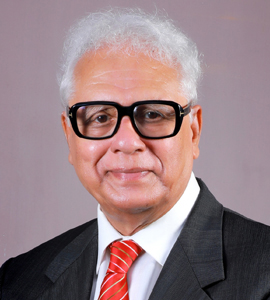

The 21st Century's Greatest Philosopher
STEEPHEEN JOHN
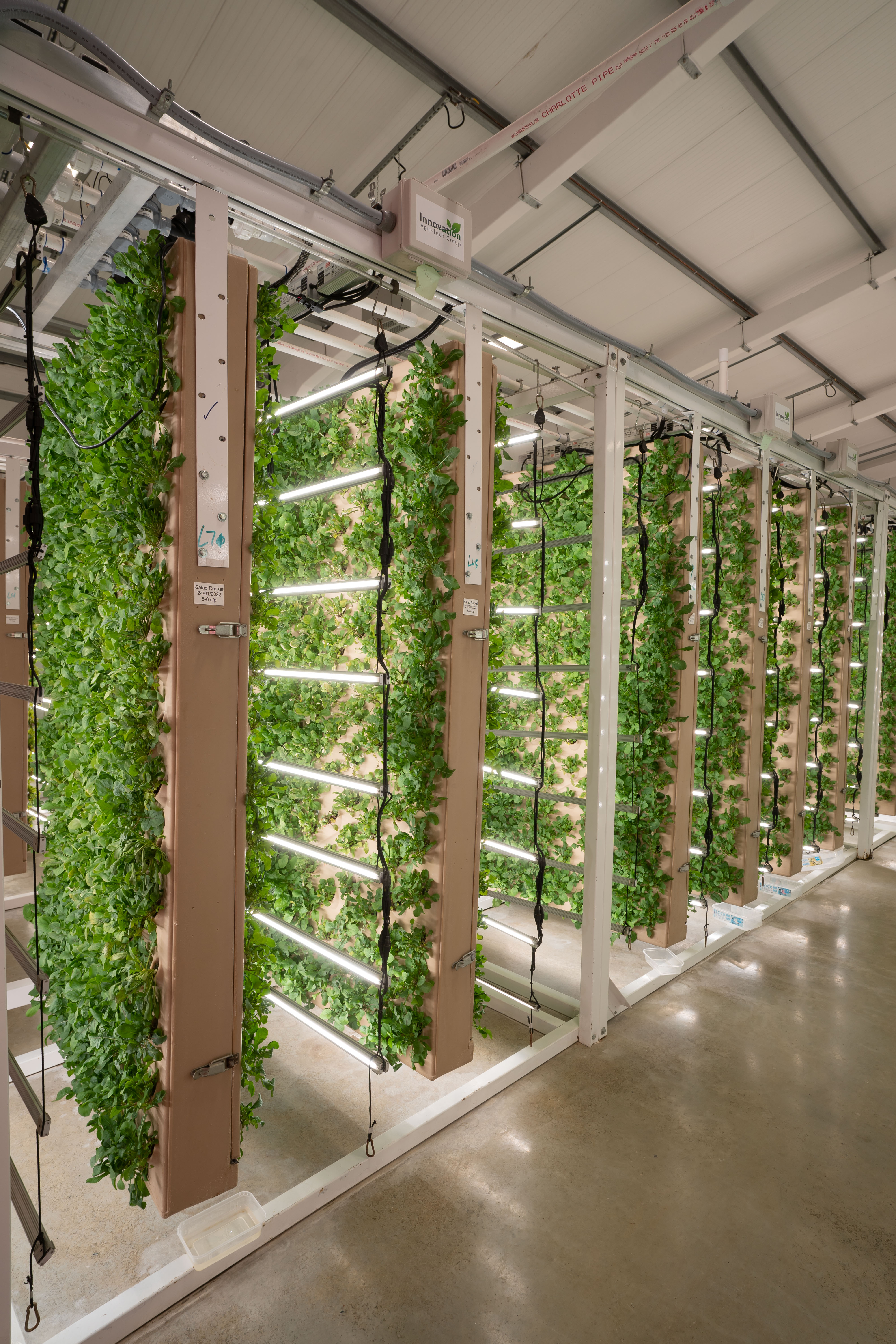
years of experience
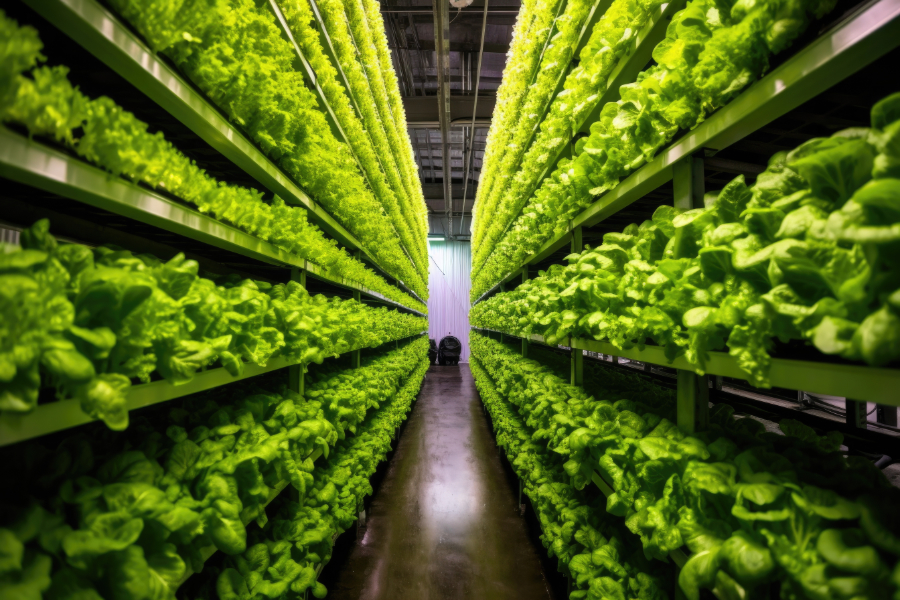
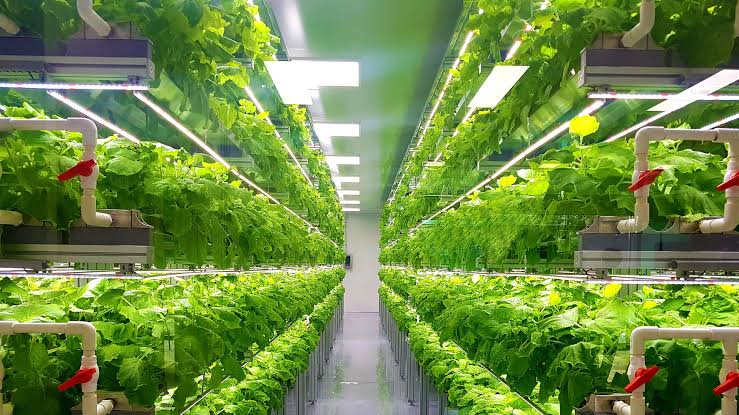
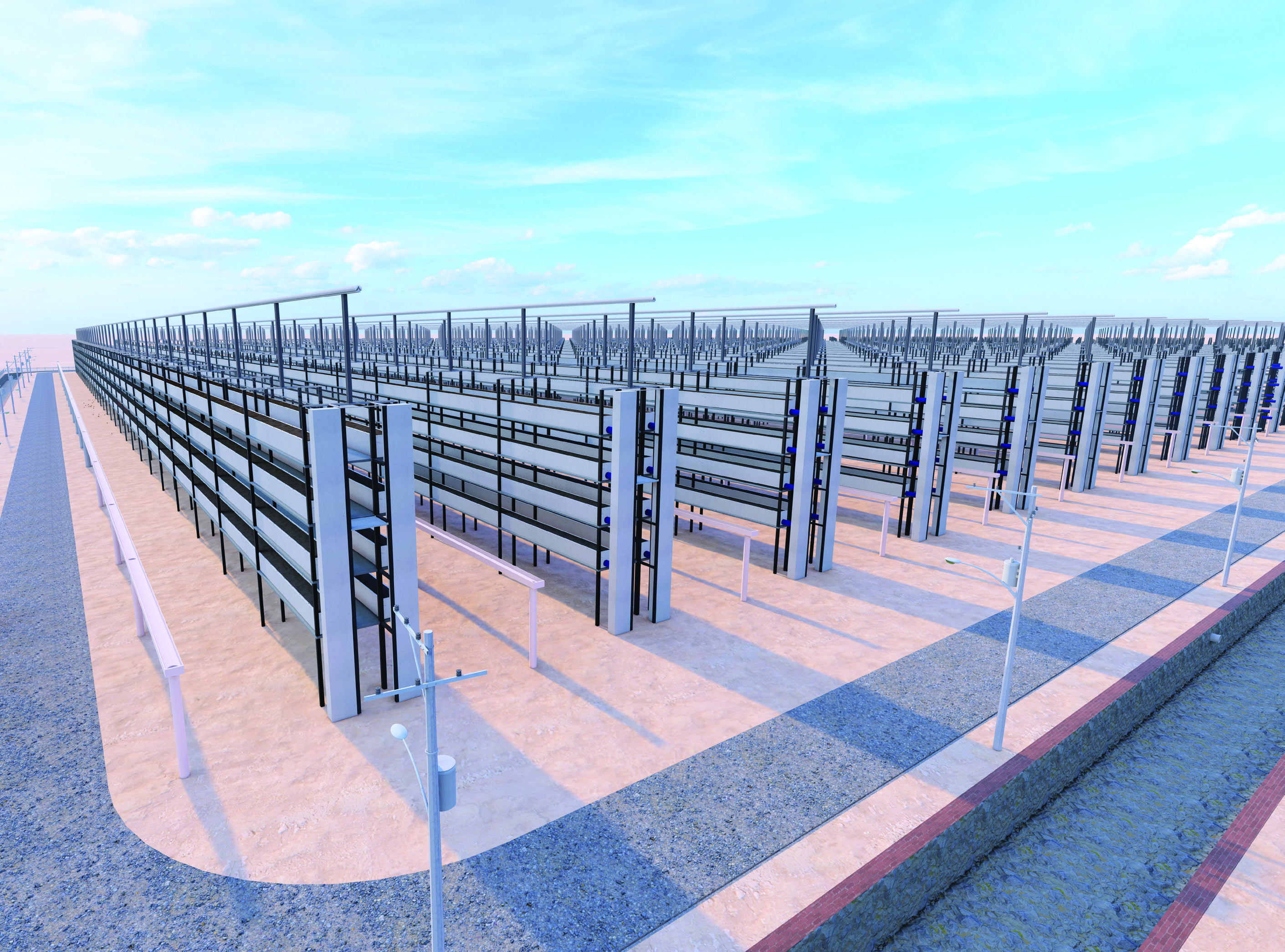
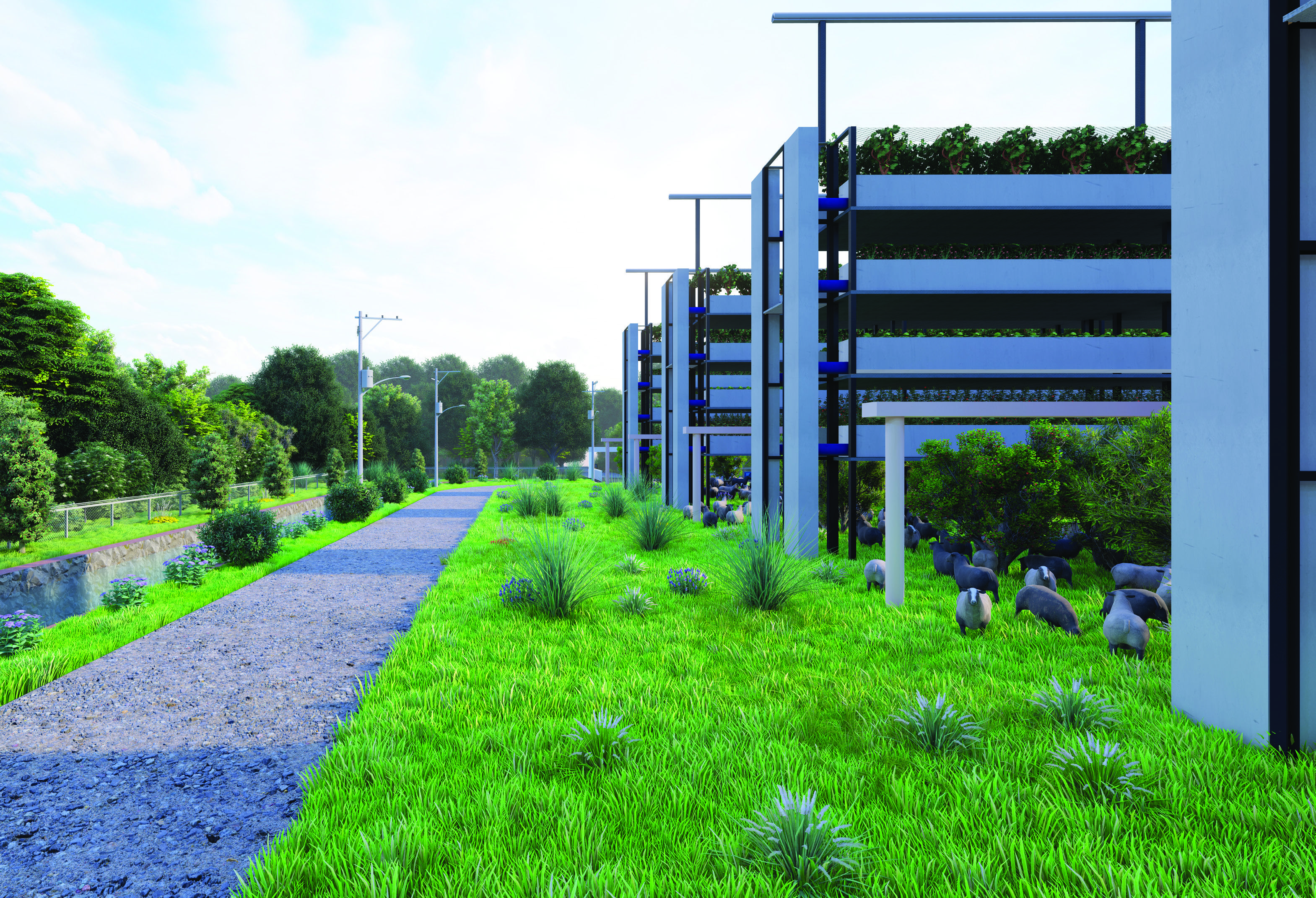
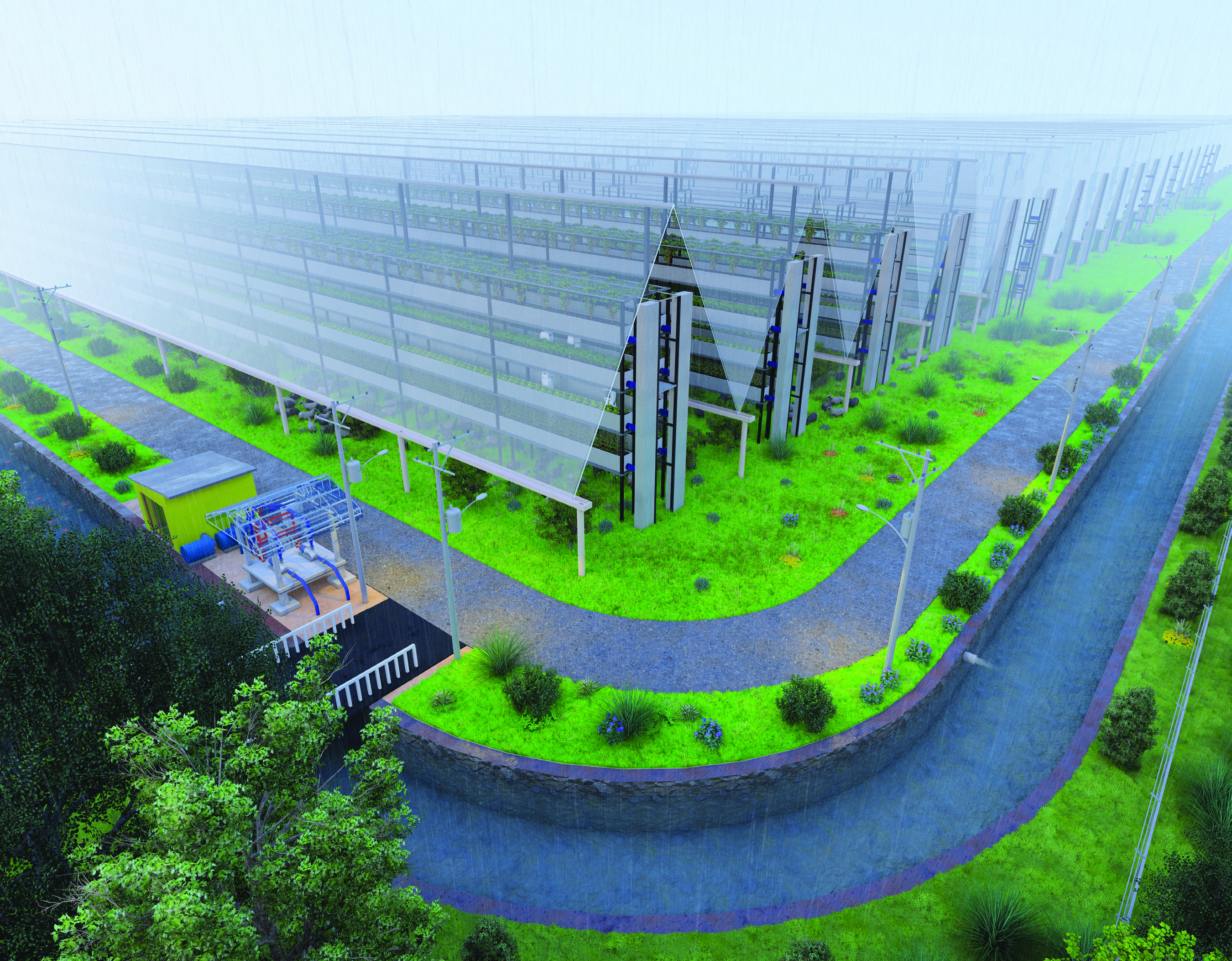
Havilah Bharat Indian Technology: A world-first integrated microclimate creation 24/7 unit covers 3,000 acres of open-sky infrastructure, with 40-foot-tall, five-level-high containers for poison-free, high-green farming and surface farming of fruits, poultry, sheep, and salmon. Each unit is designed to produce 40,352 tons of poison-free food per day, feeding 17 million people, and to generate 14 gigawatts of rainwater-powered renewable turbine, highest-power electricity.

CEO & founder

call us any time
“Stephen John: Creator of Havilah Bharat Indian Technology High Green Farming and Microclimate Creation Technology.”
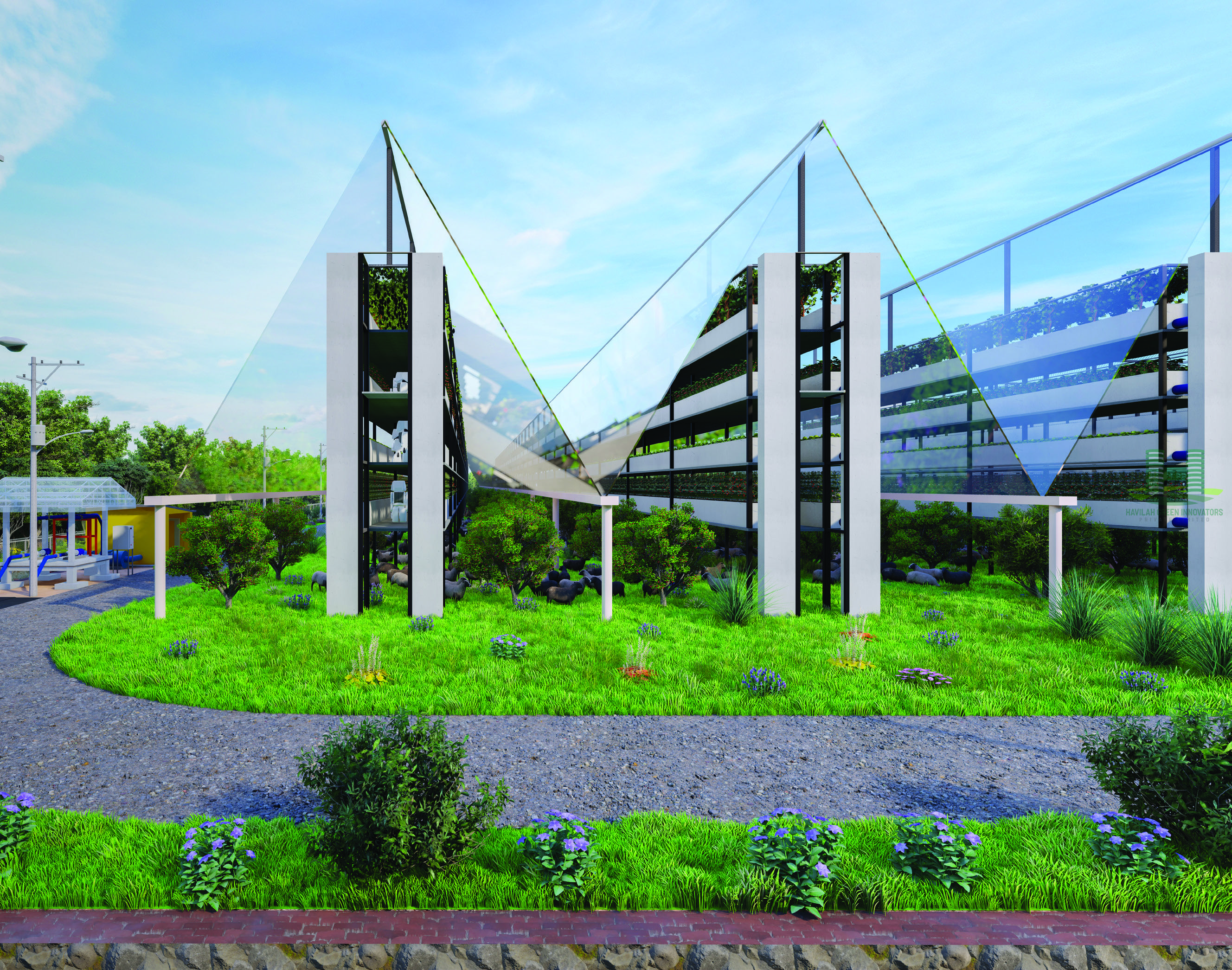
Havilah proposes an initial 3,000-acre High Green Farming operation; its 40-foot-tall Atmospheric High Green Farming infrastructure can create and sustain a measurable localized microclimate from the soil surface to about 40 feet above ground level. Under defined experimental conditions, the project will assess whether the system can maintain surface-soil temperatures by a tiny bubble cloud within a target range of approx-imately 50–55°F (10–13°C), compared with surrounding areas that may experience soil and air temperatures of approximately 70°F (21°C), depending on local environmental conditions..
Havilah’s R&D proposes a high-density green infrastructure system on 3,000 acres, featuring five-level mod-ular units standing 34 feet tall. Each unit spans 10 ft × 208 ft (with 6-ft levels), arranged at a density of nine units per acre. These elevated structures incorporate integrated systems for vegetation, irrigation, water management, and atmospheric microclimate control. Using advanced techniques, tiny bubble clouds are deployed in the lower atmosphere to intercept and diffuse a significant portion of direct solar radiation be-fore it reaches the soil surface. This reduces heat loading, enhances plant growth conditions, and supports sustainable production of greener vegetables without electricity or greenhouse gas emissions.
Havilah’s objective is not simply to replace existing irrigation systems, but to develop and scientifically test an integrated Food–Wa-ter–Energy infrastructure that may reduce water losses while creating more stable growing conditions.
| Technology | Area | Annual water use |
|---|---|---|
| Havilah Microclimate bub-ble cloud | 7,500 acres | 6,057,993,500 gallons |
| Modern Drip Irrigation Technology | 7,500 acres | 17,651,163,296 gallons |
| Difference | 7,500 acres | 11,593,169,796 gallons |
Compared with the baseline use of 17.651 billion gallons/year, the proposed Havilah system would use 6.058 billion gal-lons/year, representing approximately 65.7% less water.
Open-Sky Agriculture: When exposed soil temperatures exceed 80°F (26.7°C), solar radiation and atmospheric condi-tions can increase water loss through evaporation and plant transpiration (evapotranspiration). Actual water loss de-pends on temperature, humidity, wind, solar radiation, soil moisture, and crop conditions.
Havilah Microclimate Creation Technology: By using shading, maintaining the root zone and soil around 60°F (15.6°C) to reduce water loss, managing humidity, controlling airflow, and delivering water precisely, Havilah is designed to reduce unnecessary evaporation and improve water-use efficiency. Actual water savings should be confirmed through field measurements and an independent water-balance study.
Water vapor is a fundamental driver of weather and an important greenhouse gas. Changes in evaporation and atmo-spheric moisture can affect humidity and cloud formation.
Havilah’s Microclimate Creation Technology is designed to manage water availability, humidity, shading, and airflow around crops, but its effects on evaporation and local weather require field measurements and independent scientific validation.
According to the latest FAO figure, global agricultural land was about 4.6 billion hectares in 2024, or approximately 11.47 billion acres. FAO Home
So, if Havilah could actually produce enough food for 10 billion people from 69 million acres, and the comparison is made against the entire current agricultural-land area, the theoretical land-area difference would be approximately: 11.40 billion acres saved by Havilah High Green Farming and Microclimate Creation Technology Infrastructure
That’s about 99.4% less land than today’s total agricultural-land area.
| Measure | Approximate area |
|---|---|
| Current global agricultural land | 11.47 billion acres |
| Havilah proposed land for 10B people | 69 million acres |
| Difference | 11.40 billion acres |
| Havilah land as % of current agricultural land | 0.60% |
| Theoretical reduction | 99.4% |
| Havilah people/acre | 145 |
For an investor document, I would phrase the claim as “Havilah’s proposed land-efficiency scenario ” rather than “Havilah will save 99.4% of the world’s agricultural land.”
Havilah’s proposed 3,000-acre site is designed as an integrated food–water–energy infrastructure system with a tar-geted 14 GW capacity for a gigawatt-scale renewable electricity generating station. The project aims to demonstrate how rainwater management, agriculture, microclimate creation, and renewable energy infrastructure can be integrated within a single large-scale development.
Havilah proposes a future in which rainwater-powered renewable electricity can help reduce energy poverty in develop-ing and low-income nations. By developing reliable, low-emission electricity infrastructure, governments could provide affordable electricity to households and essential services, or, where economically feasible, subsidized electricity.
In a hotter 21st-century climate, access to affordable electricity can allow families to use air conditioning, refrigeration, electric cooking, lighting, communications, and electric transportation without electricity costs becoming an over-whelming burden.
The broader vision is simple: everyone should have the opportunity to live with basic modern comforts and dignity, re-gardless of income. Havilah aims to investigate whether integrated Food–Water–Energy infrastructure can help achieve that goal by combining food production, water management, renewable electricity, employment, and economic devel-opment within a single infrastructure system.
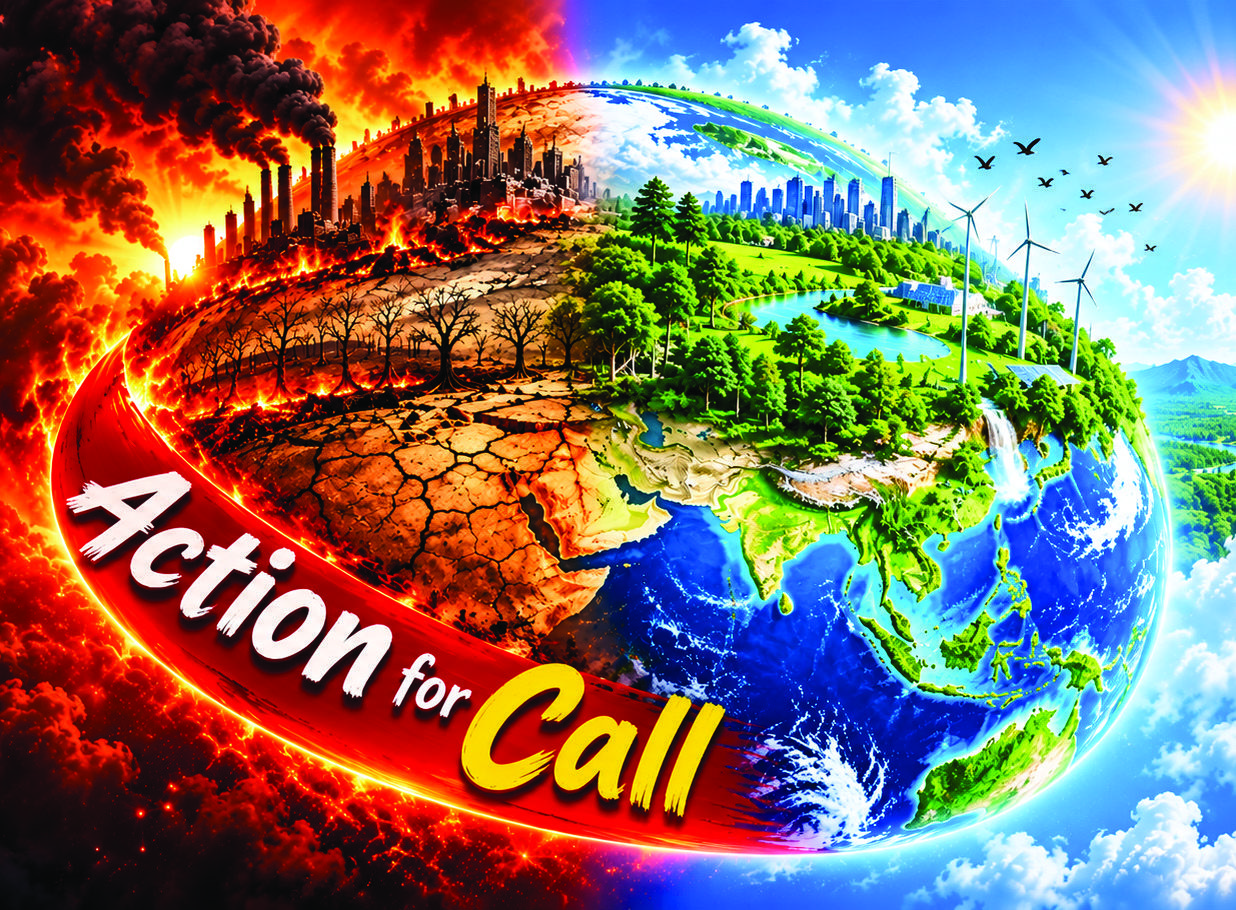
The world faces growing challenges from global warming, glacial and ice-sheet loss, extreme heat, floods, droughts, storms, rising sea levels, and other climate-related risks. These pressures can damage homes, agriculture, businesses, infrastruc-ture, livelihoods, and local economies, placing increasing burdens on communities and governments.
With the global population now exceeding 8 billion people,protecting food security, water resources, energy systems, em-ployment, and economic stability has become aninternational priority. The consequences of climate change extend be-yond the environment; they can also affect economic development and the ability of families and communities to main-tain secure livelihoods.
The United Nations and national governments therefore play an important role in supporting large-scale, scientifically validated projects that can strengthen climate resilience, sustainable food production, water security, renewable energy, employment, and economic opportunity.
HAVILAH BHARAT OPEN VERTICLE FARMING FOR CARBON-NEGATIVE AND REDUCED GREENHOUSE GAS EMISSION AGRICULTURE
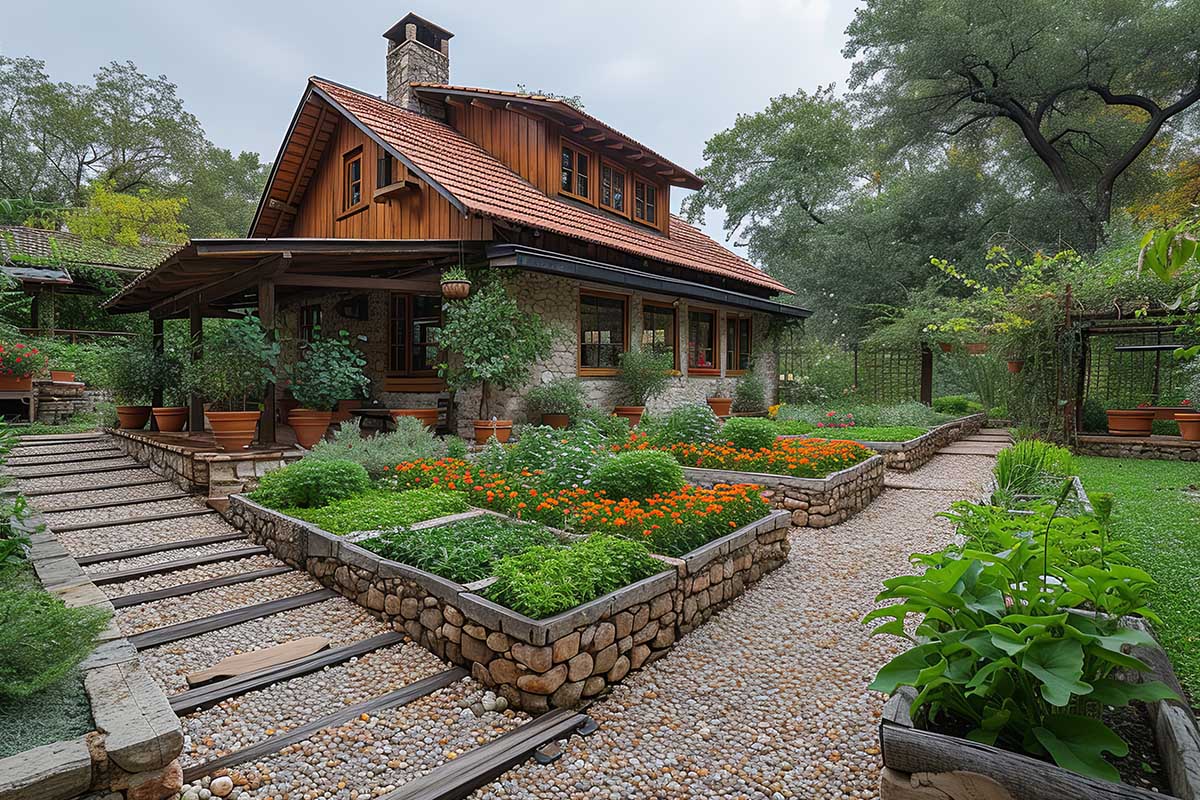
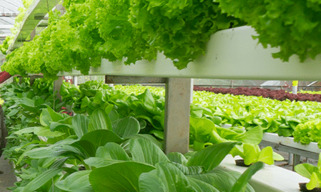
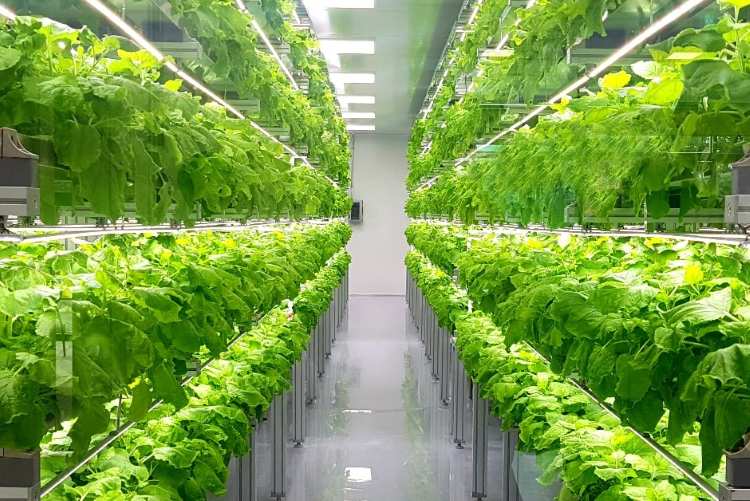
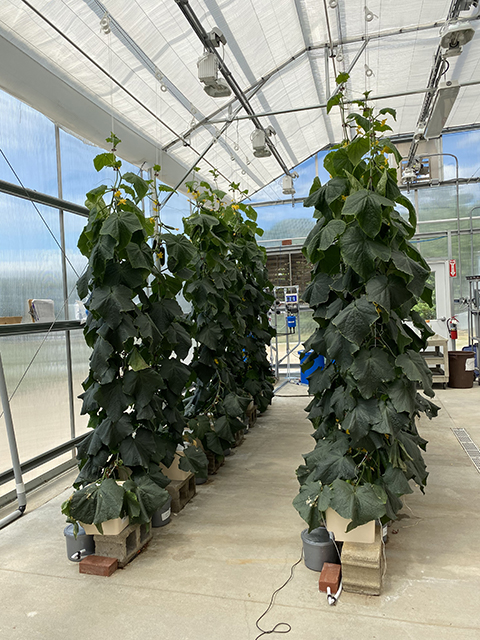
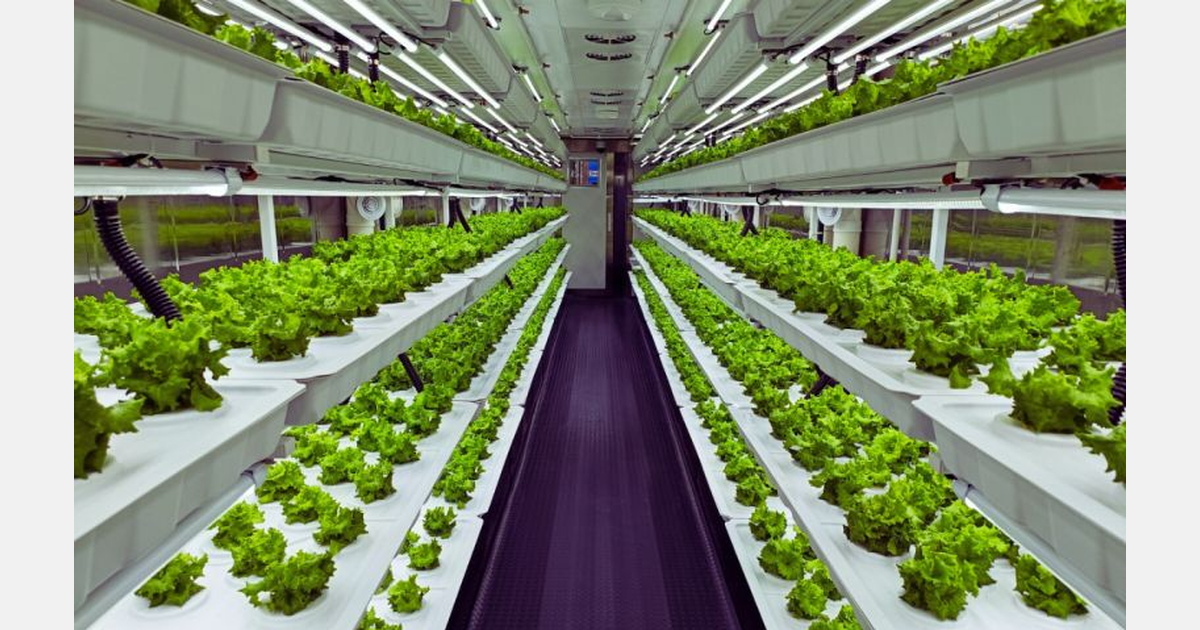
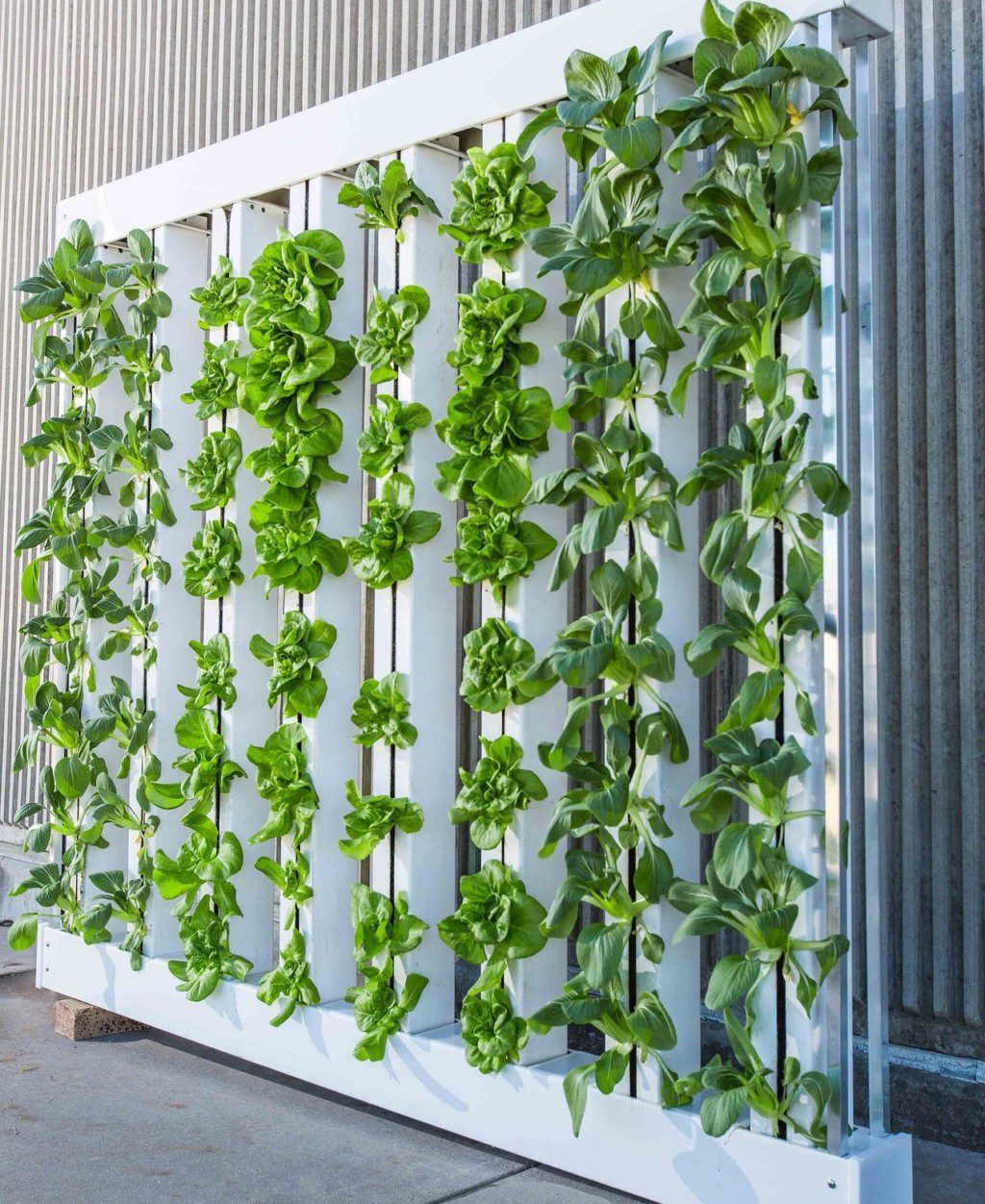
Havilah proposes a multi-level farming system designed to increase productive growing space within a limited land footprint.

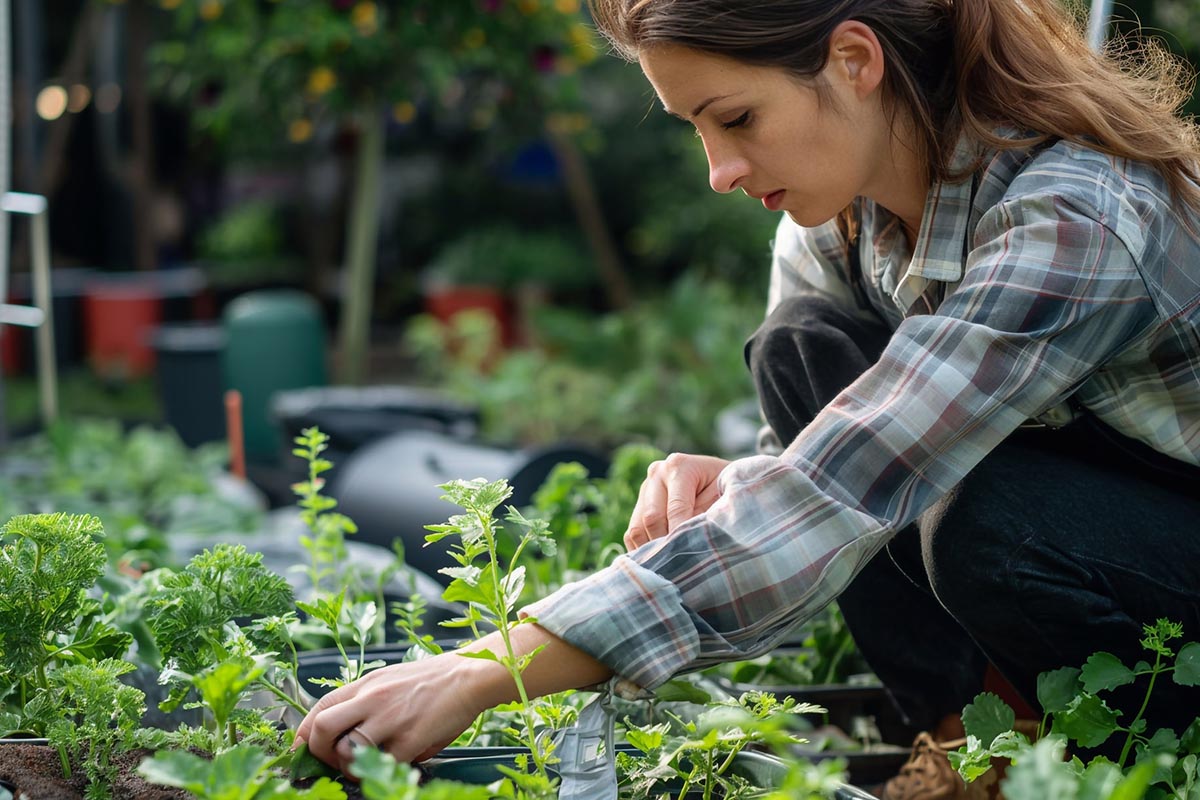
Havilah proposes the development of biologically active growing media using

The proposed water-management system connects.
Havilah Bharat Indian Technology presents an integrated development model that brings together High-Green farming, rainwater-based renewable energy, food production, employment generation, and export-oriented economic development within a unified ecosystem.
The proposed 3,000-acre integrated model combines advanced agricultural systems with renewable-energy infrastructure to create a sustainable and productive development framework. The project is designed to maximize the efficient use of land, water, energy, technology, and human resources while supporting long-term economic growth.
The project document outlines ambitious targets, including up to seven-times agricultural productivity through High-Green farming systems and the development of 24/7 rainwater-based electricity generation. By integrating agriculture, renewable energy, food processing, employment opportunities, and export-oriented industries, the model aims to demonstrate how sustainable technology can support both environmental responsibility and economic development.
The Havilah model represents a vision for a self-sustaining, technology-driven green economy, where agricultural productivity, renewable energy, food security, employment, and value-added production work together as interconnected components of one development system.

With years of experience, we specialize in High-Green farming, rainwater-based renewable energy, food production, employment generation, and export-oriented economic development
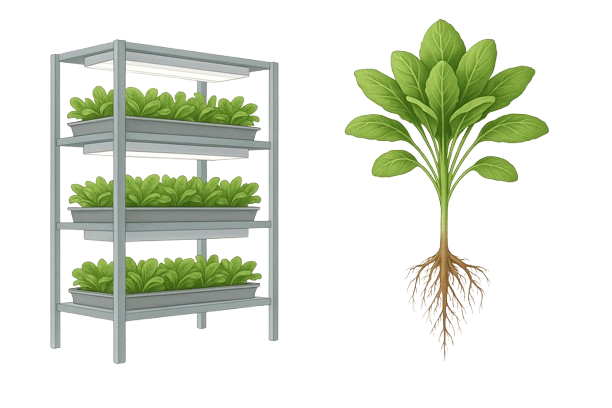
We combine innovative technology, sustainable agriculture, renewable energy, and economic development to create integrated solutions for a greener and more productive future. Our approach focuses on practical innovation, resource efficiency, employment generation, and long-term sustainable growth.


Our process integrates planning, sustainable infrastructure, advanced farming, renewable energy, and value-added production into one connected ecosystem. From initial design to implementation and market expansion, we focus on creating efficient, scalable, and sustainable solutions that generate long-term environmental and economic value.
We identify opportunities and design integrated solutions combining agriculture, water, energy, and technology.
We develop High-Green farming systems, rainwater infrastructure, renewable energy, and supporting facilities.
We focus on food production, value-added processing, employment generation, and efficient resource utilization.
We connect the ecosystem to wider markets and support sustainable, export-oriented economic growth.
Stay up to date with our latest announcements, product updates, and upcoming community gatherings. Join us live or catch up on what you missed